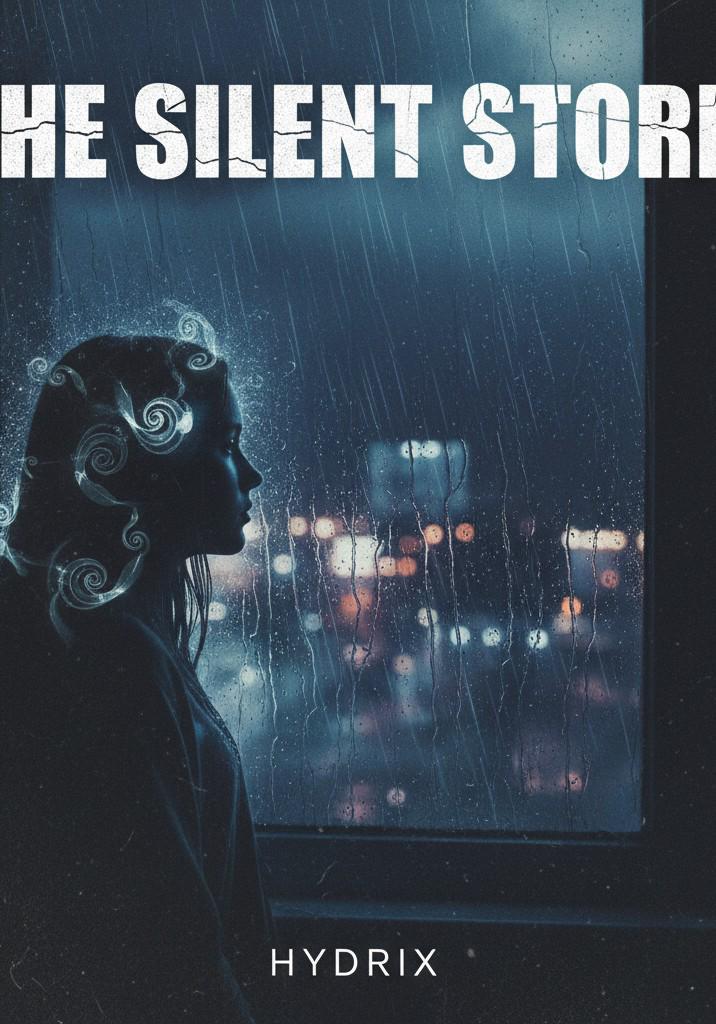
THE SILENT STORM: Understanding Anxiety in Young Minds
 READING AGE 16+
Every morning, millions of young people wake up with a weight on their chest that no one else can see. Their hearts race before school. Their thoughts spiral before bed. They smile in hallways while quietly drowning inside. Anxiety in youth is not a phase — it is a silent storm, and it is time we started paying attention.What Is Anxiety, Really?Anxiety is more than nervousness. It is the persistent, overwhelming sense that something is wrong — even when everything looks fine on the surface. For young people, it can show up as:Constant worry about school performanceFear of social situations or being judgedPhysical symptoms like headaches, stomachaches, or fatigueDifficulty sleeping or concentratingAvoiding activities they once enjoyedMany young people do not even have the words to describe what they are feeling. They just know something feels heavy and hard.Why Are So Many Young People Struggling?This generation of young people is growing up under unique pressures that previous generations never faced at the same scale.Social media has turned ordinary adolescence into a performance. Every post is measured in likes. Every photo is compared to a filtered ideal. The highlight reels of others become the measuring stick for one's own worth.Academic pressure has intensified. The race to the top starts younger and younger, with college acceptance hanging over teenagers like a constant threat.World events have taken a toll too. Growing up amid a pandemic, climate anxiety, political unrest, and economic uncertainty has left many young people feeling like the ground beneath them is never quite stable.And through all of it, many feel they cannot speak up — because they do not want to seem weak, dramatic, or broken.The Cost of Staying SilentWhen anxiety goes unaddressed, it does not simply go away. It grows louder. It bleeds into relationships, academic performance, and self-worth. It can develop into depression, social withdrawal, or more serious mental health challenges down the road.The tragedy is not just that young people suffer — it is that so many suffer alone, believing no one would understand, or that what they feel is not valid enough to mention.What Can We Do?Healing starts with honesty. Here is what makes a real difference:Open conversations at home. Parents and caregivers do not need all the answers. Simply asking "How are you really feeling?" — and sitting with whatever answer comes — creates safety.Mental health education in schools. Young people should learn about emotions and mental wellness the same way they learn about physical health. Normalizing the conversation removes the shame.Professional support. Therapy is not a last resort — it is a tool. Encouraging young people to speak to a counselor or therapist early can change the entire trajectory of their mental health journeymunity and connection. Anxiety thrives in isolation. Belonging — to a team, a group, a friendship — is one of the most powerful antidotes.A Message to Young PeopleIf you are reading this and something resonates — you are not broken. You are not weak. What you are feeling is real, and it deserves care and attention. Asking for help is not giving up. It is one of the bravest things you can do.The storm inside you does not have to be permanent. With the right support, it can pass — and the calm on the other side is worth fighting for.
Unfold
The alarm went off at 6:02 AM.
Maya Chen silenced it before the second beep, a reflex so practiced it had stopped feeling like a choice. She lay still, staring at the ceiling of her dorm room at Hargrove University — the same off-white it had been since August, when she had promised herself she would buy string lights and pin up photograph……


Waiting for the first comment……