India is a land of rich culture, diverse traditions, and deep-rooted values. While modern India has impressive cities, tall buil
 READING AGE 18+
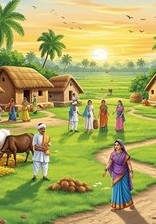
India is a land of rich culture, diverse traditions, and deep-rooted values. While modern India has impressive cities, tall buildings, and fast lifestyles, the heart of the nation still lies in its villages. More than half of the Indian population lives in rural areas, and these villages continue to preserve the real essence of Indian culture. Village life represents unity, simplicity, and closeness to nature, making it one of the most beautiful aspects of the country.Indian villages are a symbol of peace and purity. They are surrounded by green fields, rivers, fresh air, and a calm environment. People in villages are connected to each other like family, sharing happiness and challenges together. Their lives may look simple from the outside, but they are full of meaning, hard work, and emotional strength. The ancient culture, languages, festivals, and traditions still live strongly in the rural heartland of India.This article explores the amazing connection between Indian culture and village life, highlighting how villages support India’s identity and future.Villages have existed in India for thousands of years. Even in the times of ancient civilizations like the Indus Valley Civilization, agriculture was the main livelihood, and people lived in well-planned rural settlements. Villages were centers of farming, crafts, and trade.Indian culture has always believed in the philosophy of “Vasudhaiva Kutumbakam” meaning — “The whole world is one family.” This belief still reflects in rural lifestyle, where every person cares for others.Earlier, Indian villages were self-sufficient. People grew their own food, made their own clothes, and built their own homes. The traditional Panchayat system managed justice, leadership, and public welfare. Even today, Panchayats play a strong role in maintaining order and collective decision-making in rural communities.India has hundreds of languages and thousands of dialects. In villages, people proudly speak their mother tongue — whether it is Hindi, Tamil, Bengali, Marathi, Telugu, Gujarati, or any regional language. Folk songs, poetry, and storytelling in local languages add life to cultural identity.One village differs from another in:Clothing stylesFestivalsFood habitsDance and musicThis diversity is what makes Indian culture colorful and unique.Joint families are very common in villages. Grandparents, parents, and children all live together under one roof or in nearby houses. Elders guide the younger generation with knowledge, experience, and values. Sharing responsibilities strengthens unity and love within the family.Neighbors are also treated like extended family members. Weddings, births, and festivals become huge celebrations where everyone participates. If someone faces a problem, the whole community comes forward to help. This strong social bonding is a key part of Indian rural culture.Villagers depend on nature for their livelihood, especially for agriculture. That’s why they respect trees, rivers, soil, animals, and seasons. They live with the belief that nature is sacred.Examples:Cows are respected for supporting farm lifeRivers are worshipped as goddessesTrees like Peepal and Banyan are seen as protectorsThis deep bond with the environment is the foundation of sustainable living in India.Agriculture plays the most important role in Indian villages. It is the primary source of income for the rural population. Most families depend on farming for their survival. They grow crops like rice, wheat, sugarcane, cotton, pulses, fruits, and vegetables. The agricultural year is divided into Kharif and Rabi seasons, and the entire rhythm of the village revolves around these seasonal cycles.Farmers work very hard in the fields from early morning till sunset. Their day includes ploughing the land, sowing the seeds, watering crops, removing weeds, and finally harvesting the produce. Even though the work is tough, the farmers remain strong and dedicated because they know that their efforts feed the entire nation. It is rightly said:“Farmers are the food providers of India.”Cattle like cows and buffaloes also play a big role in agricultural life. They help in ploughing the fields and provide milk, which supports the village economy. Many villagers also engage in dairy farming, poultry, and fishing.Villages are full of talented artisans who create beautiful handicrafts using simple tools. These traditional crafts include:PotteryHandloom weavingBamboo and cane craftsWood carvingTerracotta artsEmbroidery and traditional clothingFolk musical instrumentsThese art forms are passed down from generation to generation. They represent the rural creativity and cultural identity of India. Many of these products are now sold in national and international markets, contributing to economic growtFolk dance and music are also an important part of rural entertainment. Villagers gather in groups to sing songs related to farming, love, fi
Unfold


Waiting for the first comment……